August 8, 2026
Selecting an ideal partner for a large enterprise development represents a foundational decision that directly determines your venture's overall success, budget stability, and timeline execution. Commercial developments involve complex financial investments, technical engineering demands, and intricate regulatory compliance procedures that require skilled supervision from day one. Navigating this vast industry demands a structured selection strategy focused on identifying proven expertise, transparent communication habits, and reliable project management capabilities. Partnering with a skilled commercial builder helps business leaders turn vision into reality while protecting capital investment. Taking time to thoroughly vet prospective partners ensures your upcoming project proceeds smoothly toward a successful, stress-free completion.
Defining Specific Project Requirements Clearly
Establishing precise scope parameters before reaching out to prospective companies provides a solid foundation for every evaluation that follows. Project leaders must clarify square footage needs, specialized structural components, intended operational layouts, and firm budget constraints early in the planning process. Having these detailed expectations documented allows contractors to offer accurate preliminary estimates rather than vague general figures. Clear internal requirements also assist stakeholders in identifying which specialized expertise will be necessary during active construction phases. When project owners articulate goals with certainty, prospective teams can quickly confirm whether their existing capacities align with those operational needs, saving valuable time during preliminary interviews.
Researching Industry Credentials With Care
Verifying official qualifications forms a critical safeguard when filtering candidate lists down to top contenders. Project managers must actively confirm active state licenses, comprehensive liability coverage, workers' compensation policies, and bonding capacities before initiating formal negotiations. Checking active affiliations with respected national trade organizations further indicates a firm's commitment to safety standards and ongoing professional development. Furthermore, examining safety records through official regulatory reports provides objective insight into a company's jobsite management practices. Taking these careful verification steps ensures that property owners work strictly with legitimate, fully accredited organizations capable of handling substantial structural responsibilities without introducing unnecessary financial or legal risks.
Evaluating Past Portfolio Projects Thoroughly
Reviewing a candidate's completed portfolio offers tangible proof regarding their technical craftsmanship, aesthetic versatility, and operational execution capabilities. Prospective clients should examine past developments that closely match their proposed building's scale, functional complexity, and design requirements. Requesting recent site visits or studying detailed case studies reveals how well a team handles complex architectural features and modern building materials. Beyond visual appeal, inquiring about past project performance regarding budget adherence and completion deadlines yields priceless insight into a team's actual reliability. Assessing real-world results helps decision-makers feel confident that their chosen team possesses direct experience executing similar commercial facilities successfully.
Analyzing Market Growth Trends Through Data
Observing broader industry statistics helps property developers understand current market dynamics and competitive demand across the sector. According to Mordor Intelligence, new construction accounted for a 68.10% share of the US commercial construction market size in 2025. This significant volume demonstrates why securing a reliable commercial builder is critical in a crowded market where labor and materials remain in high demand. Understanding overall market momentum highlights the value of partnering with established contractors who possess resilient supply chain connections and steady subcontractor networks. Analyzing these industry benchmarks enables property owners to make strategic scheduling choices while preparing realistic timelines for their upcoming commercial developments.
Assessing Communication Protocols From Day One
Establishing productive dialogue during initial consultations sets the tone for the entire working relationship throughout construction. A quality commercial builder maintains transparent communication channels, providing clear updates on scheduling milestones, material lead times, and budget allocations. During early discussions, pay attention to how promptly representatives answer detailed inquiries and whether they proactively explain complex building codes. Clear administrative procedures reduce misunderstandings, preventing costly mistakes or frustrating delays once site work officially begins. Prioritizing partners who value open dialogue ensures that project leaders remain fully informed, empowered, and supported through every sequential phase of physical development.
Comparing Detailed Financial Proposals Rigorously
Reviewing submitted cost estimates requires looking far beyond the bottom-line numbers to understand what services each quote includes. A detailed proposal should itemize material costs, subcontractor allocations, permitting fees, contingency funds, and clear administrative overhead expenses. Beware of unusually low bids, as they often signal hidden fees, reduced material quality, or unrealistic timeline projections designed to win contracts. Comparing estimates side by side helps uncover discrepancies in scope interpretation, ensuring you evaluate candidates on an equal, transparent footing. Conducting thorough financial analyses ensures project owners secure true value while preventing mid-project cost overruns that disrupt overall corporate liquidity.
Verifying Subcontractor Networks Through Inquiry
Evaluating a primary contractor's local subcontractor relationships provides vital insight into overall build quality and schedule reliability. Prime contractors rely heavily on specialized tradespeople for electrical, plumbing, masonry, and HVAC installations, making those secondary networks essential to success. Ask prospective managers about their vetting procedures for trade partners and how long they have maintained those working relationships. Established connections with dependable local trade crews lead to smoother workflow integration, superior craftsmanship, and fewer unexpected delays on site. Ensuring your primary team collaborates with top-tier trade specialists guarantees that every individual system within your commercial building meets strict operational standards.
Inspecting Active Job Sites in Person
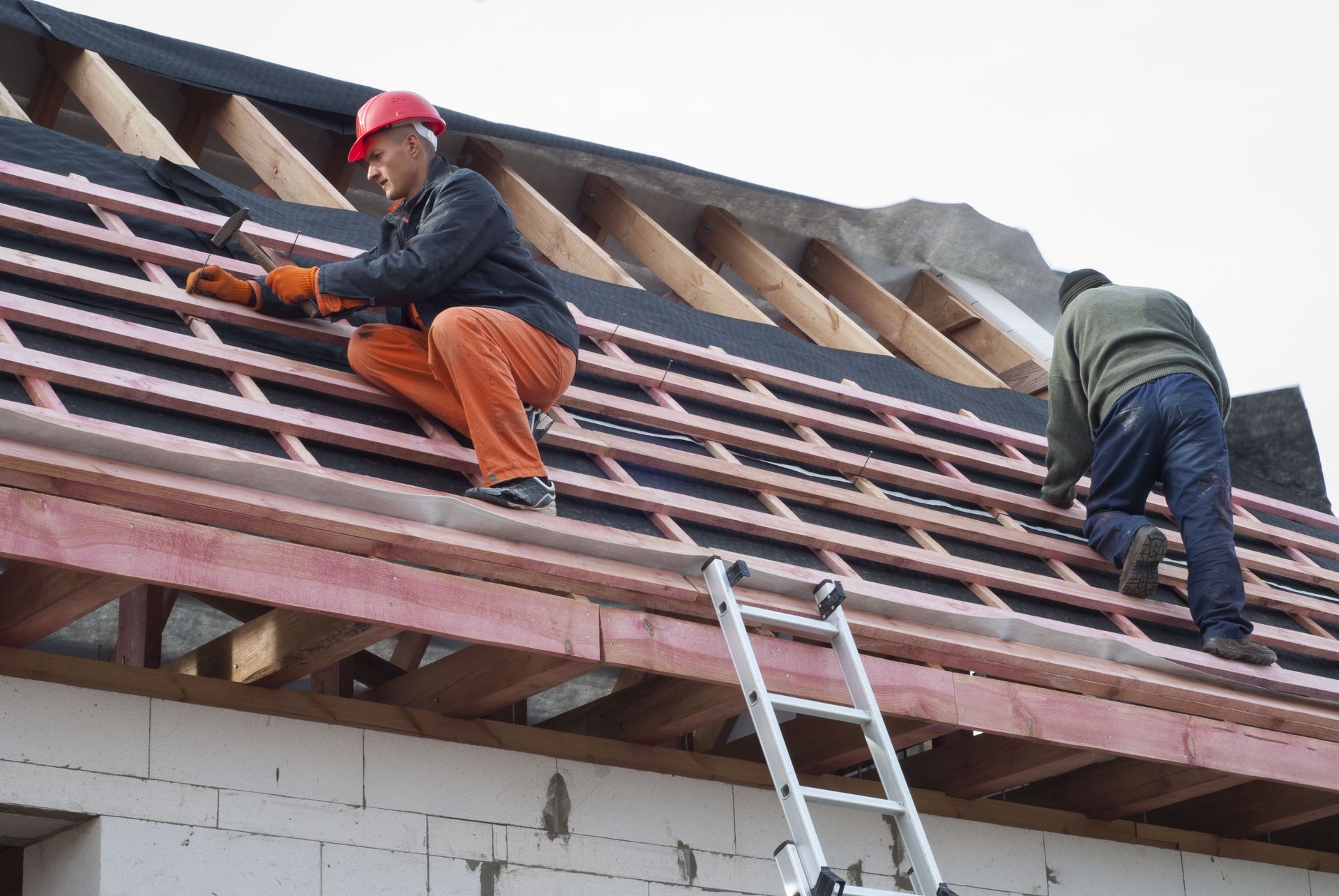
Visiting ongoing construction sites managed by candidate teams offers a raw, unedited preview of their everyday operational discipline. Observing physical job sites firsthand reveals how rigorously a company enforces safety protocols, site cleanliness, and material storage practices. A well-organized, orderly work environment typically reflects strong management oversight, high worker morale, and meticulous attention to structural detail. Conversely, cluttered or chaotic sites can indicate poor supervision, potential safety hazards, and underlying organizational inefficiencies. Taking time to view working crews in action provides authentic confirmation of a firm's work ethic long before signing formal contractual agreements.
Reviewing Contract Terms With Precision
Examining legal agreements carefully before signing ensures all project expectations, payment schedules, and liability provisions remain clearly defined. Contracts should outline clear milestone schedules, change order protocols, delay penalties, and formal warranty provisions protecting the property owner's investment. Working alongside legal counsel to review complex clause wording helps prevent ambiguity surrounding unexpected site conditions or material cost fluctuations. Ensuring that payment terms connect directly to verified project milestones keeps financial incentives aligned throughout the construction period. Methodical contractual reviews establish clear accountability standards, providing complete peace of mind for business executives managing substantial corporate capital assets.
Confirming Post-Construction Support Capabilities
Extending evaluation criteria beyond the physical build phase ensures your facility receives ongoing operational support after handover. An outstanding commercial builder provides comprehensive post-occupancy walkthroughs, detailed equipment operations manuals, and prompt warranty resolution services. Inquire about how prospective candidates handle punch-list completions and post-occupancy issues that may emerge after staff moves into the building. A firm committed to long-term client relationships will address post-project adjustments quickly, ensuring all building systems perform at peak efficiency. Securing reliable post-construction assistance guarantees that your long-term operational needs remain fully protected long after heavy machinery leaves the completed site.
Ensuring Regulatory Compliance Through Preparation
Navigating complex local zoning laws, environmental regulations, and municipal building codes requires diligent oversight from experienced professionals. A knowledgeable commercial builder handles permitting processes efficiently, securing necessary approvals without causing expensive delays to the master timeline. Their familiarity with local planning boards and inspection requirements ensures that structural designs comply with code mandates throughout construction. Proactive regulatory management prevents unexpected stop-work orders, permitting fines, or costly retrofits prior to obtaining final occupancy certificates. Selecting a partner fluent in regional compliance protocols protects your project schedule, keeping developments on track for timely, hassle-free commercial openings.
Choosing the right commercial builder ultimately requires balancing technical competence, financial transparency, proven industry experience, and strong interpersonal communication. Following a structured evaluation approach enables business leaders to select a qualified team capable of turning complex architectural blueprints into functional commercial facilities. Taking time to inspect portfolios, review detailed financial proposals, and verify credentials prevents costly surprises throughout physical construction phases. Investing in an experienced, highly reputed partner secures your capital expenditure while delivering a top-quality structure built to lasting standards. Committing to thorough pre-construction vetting ensures your development moves forward with absolute confidence, efficiency, and long-term commercial success. Are you seeking an expert commercial builder in the Southeastern United States? The professionals at Pros LLC are ready to assist! Call today to request a service quote and more.